
Essential Guide to Garage Door Panel Replacement
A damaged garage door panel can affect more than your home's appearance. Depending on the location and severity of the damage, it may also interfere with smooth operation, weather protection and the structural alignment of the door.
Garage door panel replacement may be a practical alternative to replacing an entire garage door when the damage is limited to one or two sections and the remaining door system is still in good condition. This guide explains how panel replacement works, which warning signs to watch for, what affects the cost and when professional garage door service is the safest choice.
What Is Garage Door Panel Replacement?
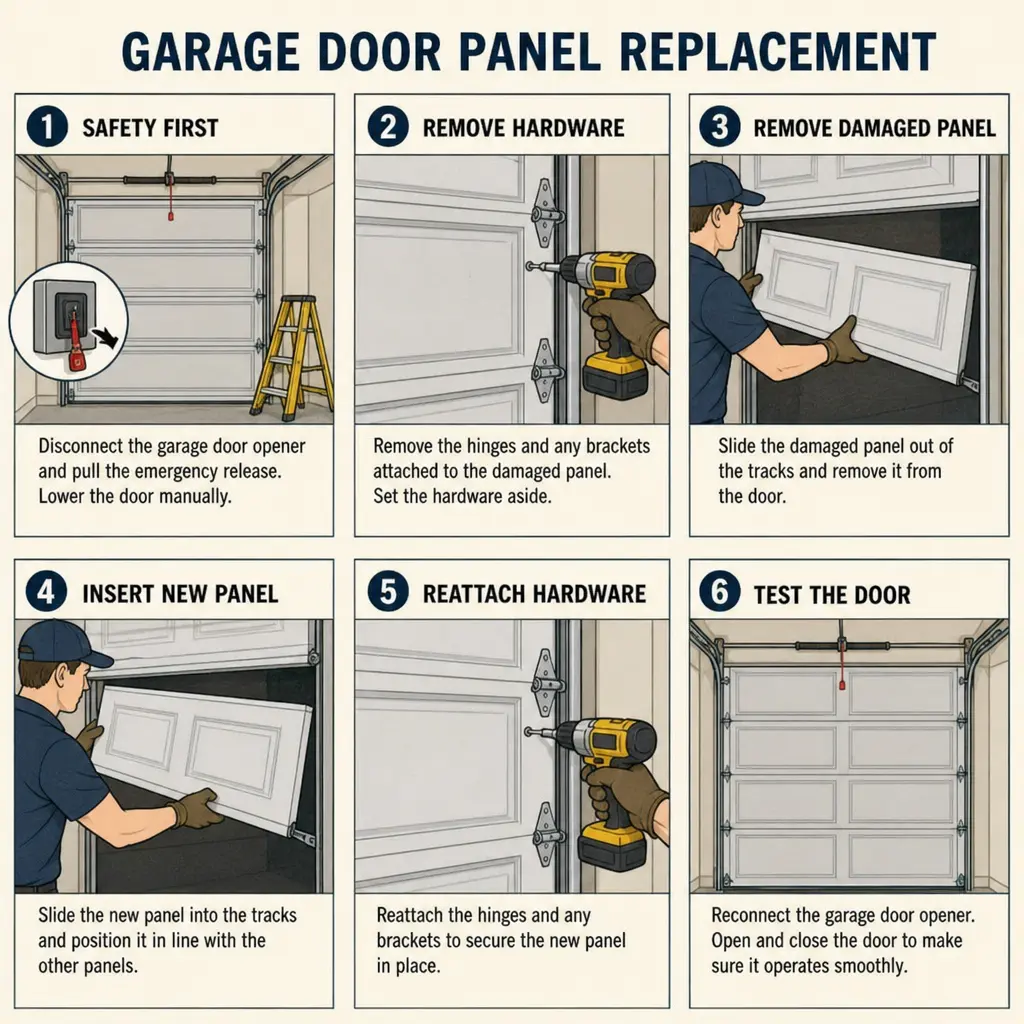
Garage door panel replacement involves removing a damaged section of a sectional garage door and installing a compatible replacement section. The goal is to restore the door's appearance, alignment and performance without automatically replacing every section.
Panel replacement is most successful when a matching panel is still available and the tracks, rollers, hinges, springs, opener and remaining door sections are in serviceable condition.
- The damaged section and the rest of the garage door system are inspected.
- The manufacturer, model, panel dimensions, design and construction are identified.
- A compatible replacement panel is located and ordered.
- The new section is installed, aligned and tested as part of the complete door system.
Signs a Garage Door Panel May Need Replacement
Some cosmetic marks can be minor, but other forms of panel damage can worsen or place extra strain on connected components. A professional inspection can determine whether the section can be repaired, should be replaced or is part of a larger door problem.
Large Dents or Creases
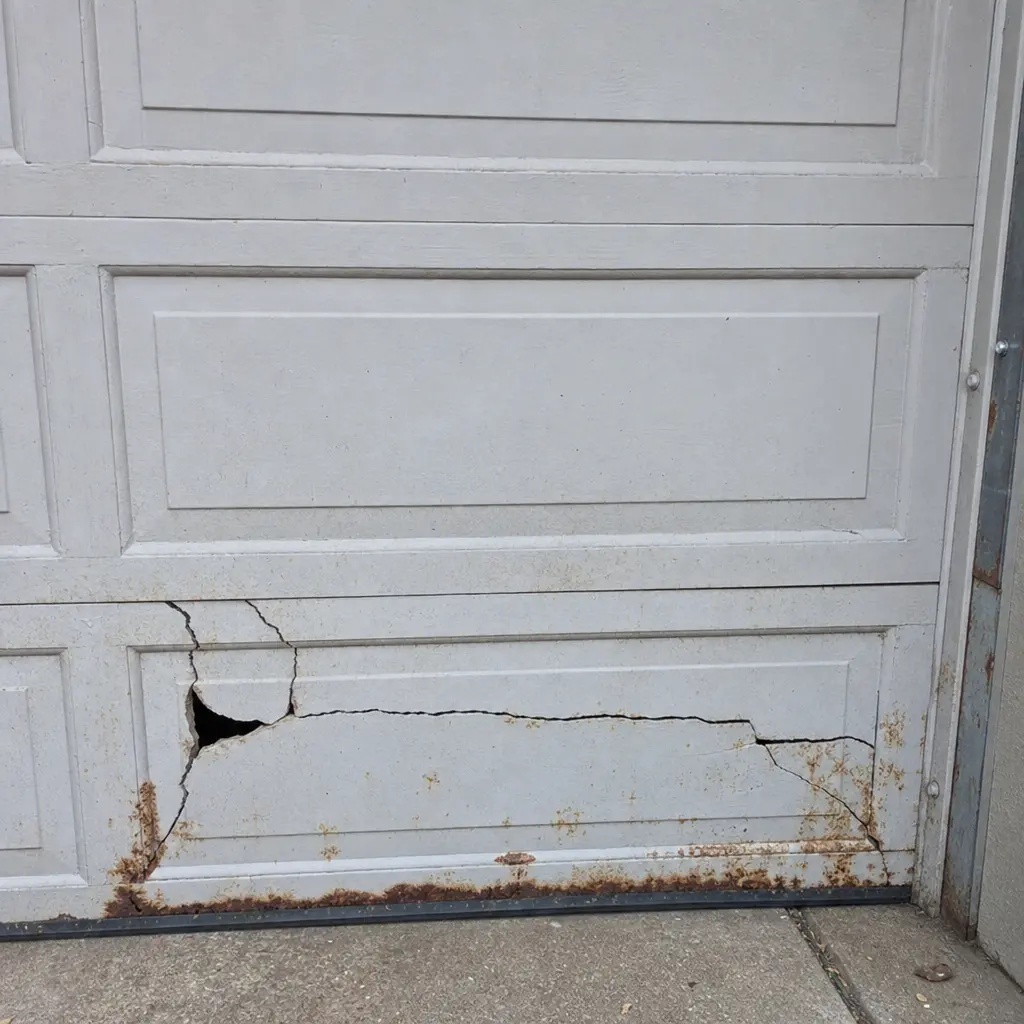
Deep dents and horizontal creases can weaken a panel and prevent it from moving correctly through the curved portion of the track.
Cracks or Separation
Cracks, split joints and separating layers can allow water, dust and outside air to enter while reducing the panel's stability.
Warping or Bowing
A warped section may sit unevenly, rub against nearby components or cause the door to appear crooked when opening and closing.
Rust or Corrosion
Surface rust may be treatable, but advanced corrosion can weaken steel panels and spread into seams or mounting points.
Impact Damage
A vehicle, tool or other impact can damage the panel as well as hinges, rollers, tracks and reinforcement supports.
Door Movement Has Changed
New shaking, rubbing, binding or uneven movement after panel damage may indicate that the problem is affecting the complete garage door system.
Panel Replacement vs. Complete Garage Door Replacement
Replacing one section is not automatically the best solution for every damaged garage door. Availability, age, condition, appearance and repair cost should all be considered.
Panel Replacement May Make Sense When:
- Damage is limited to one or two sections.
- A compatible replacement panel is available.
- The remaining sections are structurally sound.
- The tracks and hardware are in good condition.
- The color and design can be matched acceptably.
A Full Door May Be More Practical When:
- Multiple panels are damaged or deteriorated.
- The original panel style has been discontinued.
- The door has recurring operational problems.
- Rust, rot or warping affects several sections.
- You want improved insulation, security or curb appeal.
A professional garage door technician can compare both options and explain which solution offers the better long-term value.
Common Garage Door Panel Materials
The replacement section should match the original door as closely as possible. Mixing incompatible panel types, weights or construction styles can affect balance and operation.
Steel Garage Door Panels
Steel is widely used because it is durable, relatively low-maintenance and available in many colors, insulation levels and stamped designs. Scratches should be addressed before corrosion develops.
Aluminum Garage Door Panels
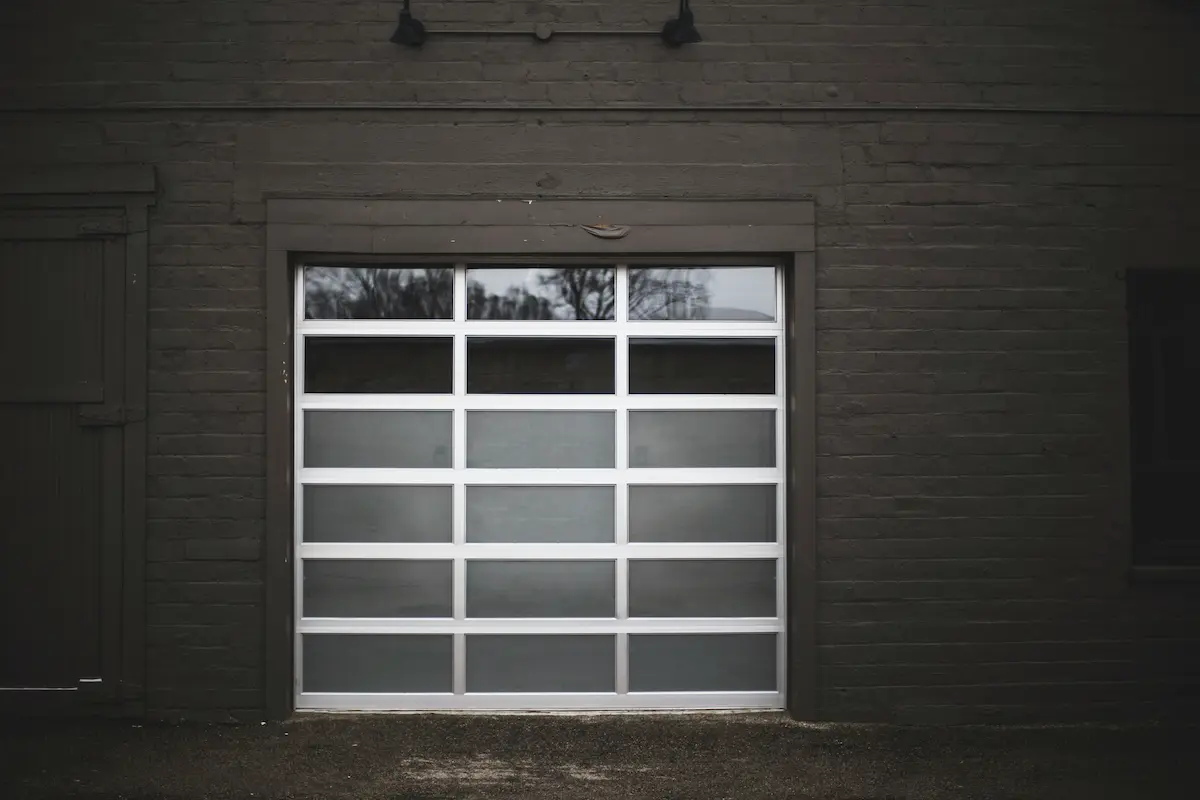
Aluminum is lightweight and naturally resistant to rust. It can be useful for certain modern or full-view door styles, although it may dent more easily than heavier materials.
Wood Garage Door Panels
Wood provides a warm, traditional appearance but requires routine sealing, painting or staining. Moisture exposure can lead to swelling, cracking or rot if maintenance is neglected.
Composite or Fiberglass Panels
Composite and fiberglass products can provide a wood-style appearance with different maintenance requirements. Exact replacement availability depends on the manufacturer and model.
How Garage Door Replacement Panels Are Identified
Finding a suitable panel requires more than measuring the visible width and height. Garage door sections often use manufacturer-specific profiles, hinges, reinforcement locations and connection points.
Information That May Be Needed
- Garage door manufacturer and model number.
- Overall door width and height.
- Height of the damaged individual section.
- Panel thickness and insulation construction.
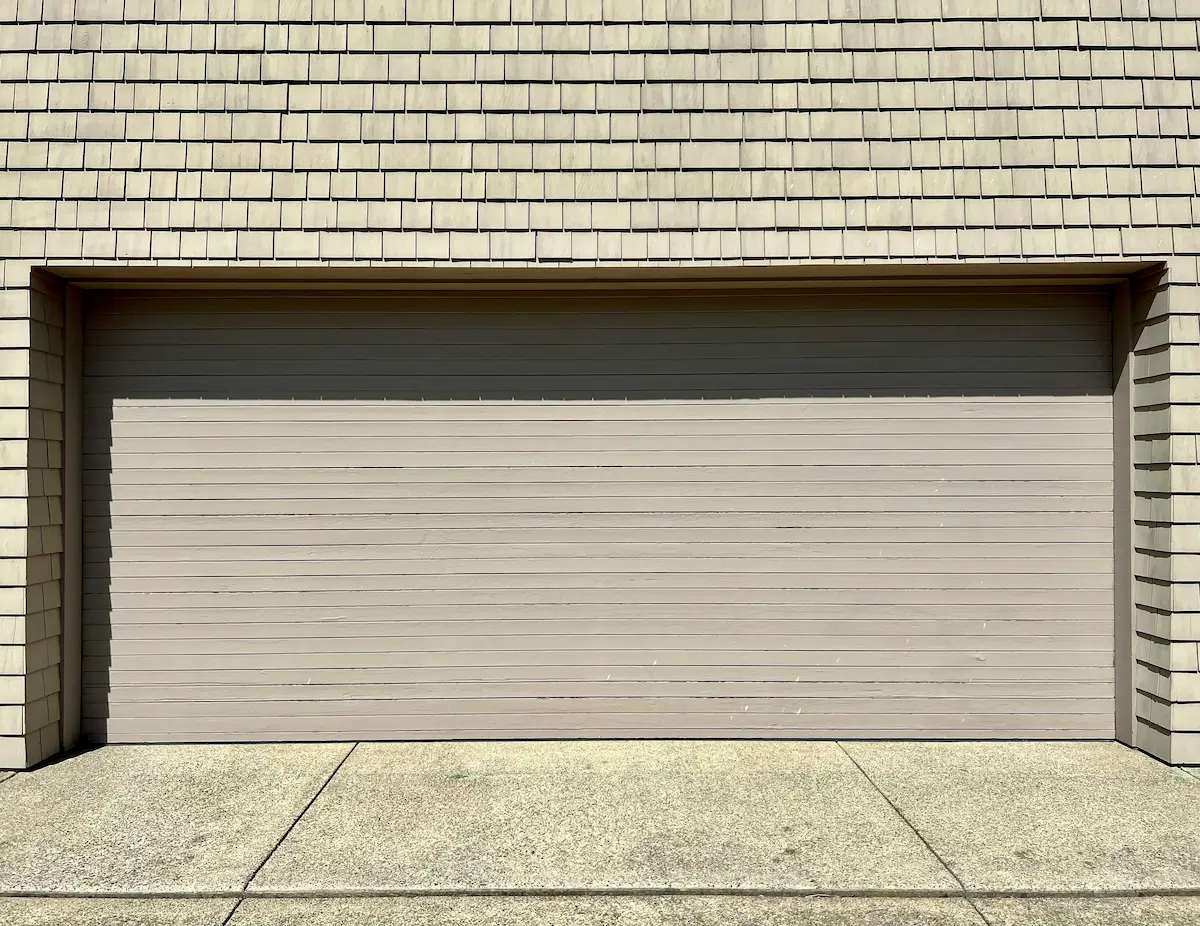
- Exterior design, stamp pattern and color.
- Location of windows or decorative inserts.
- Age of the garage door.
- Photos of the damaged panel and identification labels.
Manufacturer labels may be found along the edge of a section, near the hinges, on the inside face of the door or on paperwork from the original installation.
What Affects Garage Door Panel Replacement Cost?
The cost of replacing a garage door panel varies because each door, manufacturer and damage situation is different. An accurate estimate generally requires identifying the panel and inspecting the door.
- The panel's material, size and insulation level.
- Whether the original panel is still manufactured.
- Shipping or special-order costs.
- Exterior color, finish and decorative design.
- Window inserts or specialty hardware.
- Damage to hinges, rollers, struts or tracks.
- Labor required to safely remove and install the section.
- Whether the garage door requires adjustment after installation.
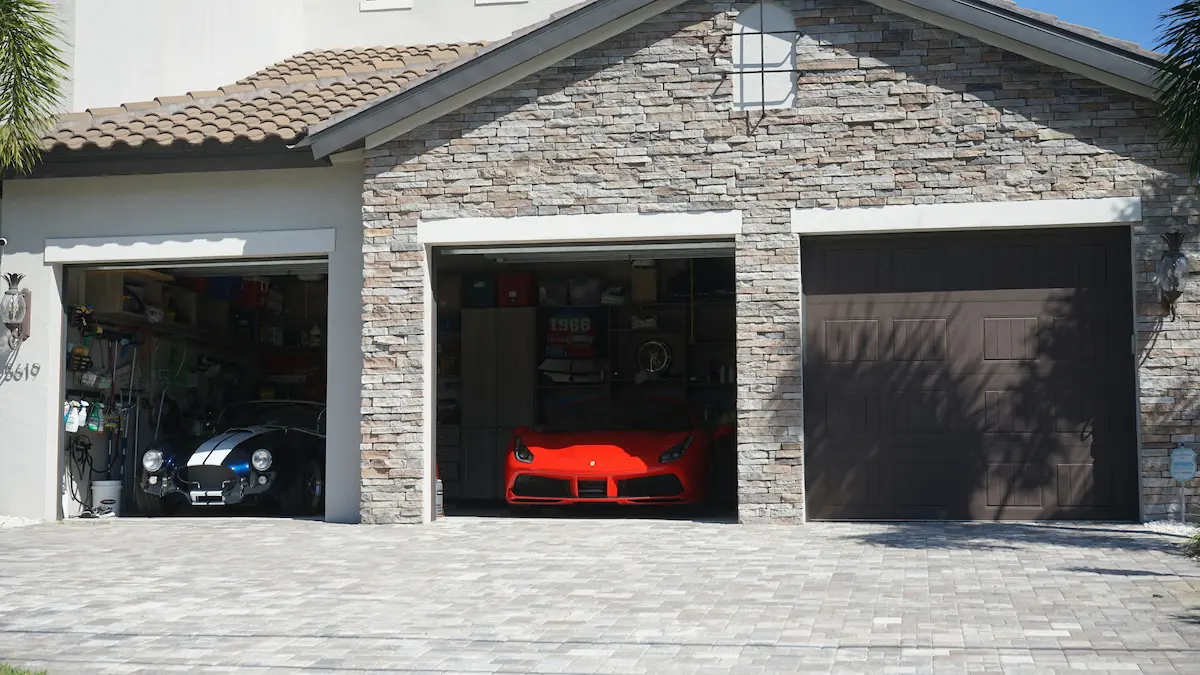
When the replacement section, shipping and installation costs approach the price of a complete new door, replacing the full door may offer better long-term value and a more consistent appearance.
Can You Replace a Garage Door Panel Yourself?
Garage door panel replacement is more complicated than many ordinary household repairs. Sections can be large and heavy, and the door is connected to a spring system that stores substantial mechanical energy.
Garage Door Safety Warning
Do not loosen, remove or adjust torsion springs, extension springs, spring anchors, lift cables, bottom brackets or other components connected to the door's counterbalance system. Improper handling can cause sudden movement, serious injury or property damage.
Even when the damaged section appears easy to access, removing it can change the stability and balance of the remaining door. Professional replacement is especially important when the damaged section is near the bottom of the door, the door is unusually heavy or the system is already moving unevenly.
When to Call a Garage Door Professional
Professional service is recommended whenever the damaged panel affects the operation, balance or structural condition of the garage door.
- The panel is severely bent, split or detached.
- The door is crooked or no longer closes evenly.
- The rollers are leaving the tracks.
- The damage involves the bottom garage door section.
- Cables appear loose, frayed or displaced.
- The door feels unusually heavy.
- The opener strains or stops while moving the door.
- You cannot identify a compatible replacement panel.
- More than one section is damaged.
A technician can inspect the full system, identify related damage and verify that the completed door is aligned and operating correctly.
Where to Find Garage Door Replacement Panels
Replacement sections may be available through garage door dealers, manufacturers, authorized distributors or specialty suppliers. However, ordering a section based only on a photograph or basic measurement can result in an incompatible product.
Before Ordering a Panel
- Confirm the manufacturer and exact panel profile.
- Verify the section height, thickness and insulation type.
- Confirm hinge and reinforcement compatibility.
- Ask whether the color will match an older weathered door.
- Review shipping damage and return policies.
- Determine whether professional installation is required.

Working with a local garage door company can simplify the process because the technician can identify the door, check availability and inspect for related damage before a replacement is ordered.
Choosing the Right Replacement Panel
The correct replacement should match the door's construction and hardware—not just its exterior appearance. A section with the wrong weight, thickness or profile can interfere with balance and movement.
- Match the original manufacturer whenever possible.
- Use the same section height and panel thickness.
- Confirm insulation and reinforcement requirements.
- Match the exterior stamp pattern and window layout.
- Consider whether paint fading will make the new section noticeable.
- Verify compatibility with existing hinges and tracks.
When an exact replacement is unavailable, a complete garage door replacement may produce a safer, cleaner and more consistent result.
Maintenance Tips for Longer-Lasting Garage Door Panels
Routine maintenance can help preserve the finish, identify developing damage and support reliable garage door operation.
- Wash the exterior with mild soap, water and a soft cloth or sponge.
- Avoid harsh chemicals or abrasive tools that may damage the finish.
- Inspect painted steel surfaces for scratches or exposed metal.
- Check wood doors for peeling finish, swelling, cracks or moisture damage.
- Inspect hinges, rollers and visible fasteners for wear or looseness.
- Keep the bottom weather seal clean and replace it when deteriorated.
- Schedule service when the door becomes noisy, uneven or difficult to move.
Frequently Asked Questions About Garage Door Panel Replacement
Can just one garage door panel be replaced?
In many cases, yes. A single section may be replaceable when the remaining door is in good condition and a compatible panel is available from the manufacturer or a supplier.
Will a new panel match the color of my existing garage door?
The factory color may be correct, but an older door may have faded from sun and weather exposure. Painting or refinishing may be needed to create a closer visual match.
How long does garage door panel replacement take?
Installation time depends on the door, section location and whether related hardware is damaged. Panel availability or special ordering may affect the overall project timeline.
Can a dented garage door panel be repaired instead?
Minor cosmetic dents may sometimes be improved, but deep creases, cracks, warping and structural damage may require panel replacement. An inspection can help determine the best option.
Should I operate the garage door when a panel is damaged?
Do not continue operating the door if the panel is loose, severely bent, rubbing against the track or causing uneven movement. Call for garage door service to avoid worsening the damage.
Is replacing one panel always cheaper than replacing the door?
Not always. A discontinued or expensive special-order panel, shipping charges and related repairs can make a complete replacement more practical. Comparing both estimates is the best approach.