
Garage Door Opener Not Working?
A garage door opener that suddenly stops working can leave your vehicle trapped inside, prevent the garage from closing securely, or make the door operate unpredictably. The problem may involve the remote, wall control, safety sensors, opener motor, travel settings, electrical power, or the garage door itself.
Spilsbury Garage Doors provides garage door opener troubleshooting, repair, and installation throughout Victorville, Apple Valley, Hesperia, Adelanto, and surrounding High Desert communities.
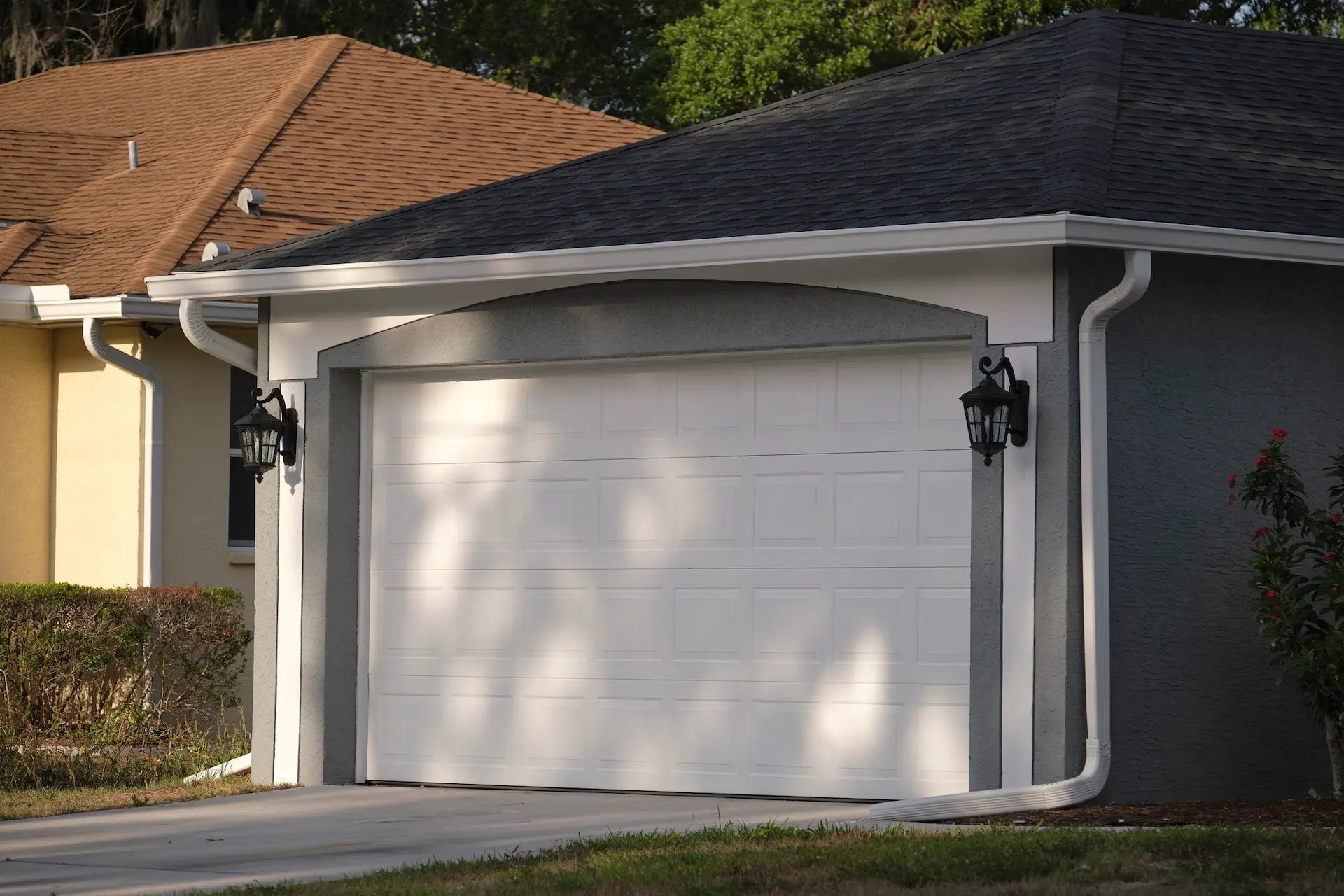
Why a Garage Door Opener Stops Working
Garage door openers depend on several mechanical, electrical, and safety components working together. When one component fails or the garage door becomes difficult to move, the opener may stop, reverse, hum without moving, or operate inconsistently.
It is important to remember that an opener problem is not always caused by the opener. A broken spring, worn roller, bent track, loose cable, damaged hinge, or poorly balanced door can make the opener work much harder than it should.
If the garage door feels unusually heavy when disconnected from the opener, the door itself may need repair before the opener can operate correctly.
Common Opener Symptoms
- The opener does not respond to the remote or wall control.
- The motor runs, but the garage door does not move.
- The door opens but will not close.
- The door closes and immediately reverses.
- The opener hums, clicks, or makes grinding sounds.
- The garage door stops halfway.
- The opener light flashes repeatedly.
- The remote only works from very close to the garage.
- The door moves slowly or strains during operation.
Common Reasons a Garage Door Opener Is Not Working
The correct repair depends on whether the issue involves power, controls, sensors, programming, opener settings, mechanical parts, or the garage door itself.
No Electrical Power
The opener may be unplugged, connected to a tripped outlet, affected by a circuit breaker, or experiencing an internal electrical problem.
Remote Control Problems
Dead batteries, lost programming, damaged buttons, signal interference, or an incompatible remote can prevent the opener from responding.
Safety Sensor Issues
Dirty, blocked, damaged, or misaligned photo-eye sensors commonly cause a garage door to refuse to close or reverse unexpectedly.
Broken Spring or Heavy Door
The opener is designed to guide a balanced door, not lift the full weight. A broken spring can make the door too heavy for the opener.
Travel or Force Settings
Incorrect travel limits may cause the door to stop too early or push too far. Incorrect force settings can cause unexpected reversal.
Worn Drive Components
Belts, chains, gears, sprockets, trolleys, rails, and internal motor components can wear or break over time.
Basic Garage Door Opener Troubleshooting
Homeowners can safely check a few basic items before scheduling service. Stop if the door is crooked, unusually heavy, off track, or has visibly damaged springs or cables.
Check the Power Source
Confirm the opener is plugged into the outlet. Test the outlet if possible and check whether a breaker or GFCI outlet has tripped.
Try the Wall Control
If the wall button works but the remote does not, the issue may involve batteries, remote programming, signal interference, or remote damage.
Inspect the Safety Sensors
Remove objects from the doorway and gently clean the sensor lenses. Confirm both sensors appear aligned and securely mounted.
Check the Manual Lock
Some garage doors have a manual slide lock. If the door is locked while the opener runs, the opener or door hardware can be damaged.
Look for Visible Door Damage
Check for loose cables, broken springs, rollers outside the track, bent tracks, damaged hinges, or sections that appear crooked.
Listen to the Opener
Humming, clicking, grinding, or a running motor without door movement can help identify whether the problem involves the drive system or trolley.
Garage Door Opens but Will Not Close
If the garage door opens normally but refuses to close, the safety sensors are one of the first areas to inspect. Modern openers use photo-eye sensors near the floor to detect objects in the door’s path.
Blowing dust, movement, loose brackets, damaged wiring, direct sunlight, or objects in the doorway can interrupt the sensor signal.
Learn more about garage door safety sensor problems →Possible Sensor Warning Signs
- The garage door closes only while holding the wall button.
- The opener lights flash when attempting to close.
- One sensor light is off or blinking.
- The sensor brackets appear loose or misaligned.
- The door reverses even when the opening is clear.
- Dust or debris covers the sensor lenses.
Garage Door Remote Not Working
A remote control problem may be isolated to the remote, or it may indicate an issue with the opener receiver, antenna, programming, or electrical system.
Replace the Battery
A weak battery can reduce operating range or prevent the remote from transmitting a strong signal.
Reprogram the Remote
Programming may be lost after a power interruption, opener reset, control-board issue, or accidental use of the learn button.
Check for Interference
Certain LED bulbs, nearby electronics, damaged antennas, or radio interference can reduce remote range.
Visit our garage door remote not working page for more detailed troubleshooting.
Garage Door Openers for 10-Foot and 10x10 Garage Doors
Taller and heavier garage doors may require different hardware, rail lengths, spring systems, and opener configurations than a standard residential door.
10-Foot Garage Doors
A 10-foot-tall garage door is often used for taller vehicles, work trucks, vans, recreational vehicles, workshops, agricultural buildings, and commercial properties.
Standard residential opener rails may not provide enough travel for a 10-foot door. The installation may require an extended rail, appropriate door balance, stronger hardware, and an opener selected for the weight and frequency of use.
Learn more about 10-foot garage doors →10x10 Garage Doors
A 10x10 garage door measures approximately 10 feet wide by 10 feet high. This size is commonly considered for workshops, detached garages, storage buildings, light commercial properties, and spaces that need additional vehicle clearance.
The correct opener depends on the door material, insulation, total weight, spring design, track configuration, usage cycles, and available headroom.
Explore 10x10 garage door options →Choosing an Opener for a Large or Heavy Garage Door
Horsepower ratings alone do not determine whether an opener is appropriate. The garage door must first be properly balanced by its spring system.
| Door consideration | Why it matters |
|---|---|
| Door height | Taller doors may require extended opener rails and greater travel than standard seven- or eight-foot residential doors. |
| Door weight | Insulated steel, wood, commercial, and oversized doors can weigh significantly more than basic residential doors. |
| Spring balance | A properly balanced spring system carries most of the door’s weight so the opener can guide the door safely. |
| Usage frequency | A frequently used workshop or commercial door may require an opener designed for higher cycle demands. |
| Track configuration | Standard lift, high lift, vertical lift, and low-headroom tracks can require different opener arrangements. |
| Available ceiling space | Low ceilings, storage racks, vehicle lifts, and unusual framing may affect whether a ceiling-mounted or wall-mounted opener is suitable. |
Learn more on our page about garage door openers for heavy and oversized garage doors.
Should You Repair or Replace the Garage Door Opener?
Opener Repair May Make Sense When:
- The problem involves sensors, remotes, controls, or programming.
- The rail, trolley, chain, or belt needs adjustment.
- The opener is compatible with the current garage door.
- The motor and control system remain in good condition.
- The opener has modern safety-reversal features.
- The necessary replacement parts are available.
Opener Replacement May Make Sense When:
- The opener is outdated or repeatedly failing.
- The motor, control board, and drive system are heavily worn.
- The opener lacks required safety features.
- Repair parts are unavailable or impractical.
- The opener is not suitable for the door size or weight.
- You want quieter operation or modern access features.
Related Garage Door Opener Topics
These supporting pages can expand the pillar topic and help homeowners find information that matches their specific problem or garage door size.
Garage Door Opener Repair
Troubleshooting for motors, rails, belts, chains, trolleys, controls, sensors, travel limits, and opener settings.
Garage Door Opener Installation
Learn what to consider when installing a new opener, including drive type, noise, controls, compatibility, and safety features.
10-Foot Garage Doors
Information about taller garage doors, extended opener rails, clearance, hardware, springs, and installation requirements.
10x10 Garage Doors
Explore 10-foot-wide by 10-foot-high doors for workshops, storage buildings, detached garages, and commercial uses.
Garage Door Sensor Problems
Learn why a garage door opens but will not close, reverses unexpectedly, or displays blinking sensor lights.
Garage Door Remote Not Working
Troubleshoot remote batteries, programming, signal interference, receiver problems, antennas, and compatibility.
Openers for Heavy Garage Doors
Learn how door weight, balance, track configuration, usage, and opener design affect oversized or insulated doors.
Garage Door Repair
Determine whether the opener problem is actually caused by springs, rollers, tracks, cables, hinges, balance, or damaged panels.
Garage Door Installations
Learn why proper door installation, balance, track setup, opener compatibility, and safety testing matter.
Garage Door Opener Problems in the High Desert
Local environmental conditions can affect garage door sensors, tracks, moving components, wiring, remotes, and opener performance.
Dust and Sensors
Blowing dust can coat safety sensor lenses and interfere with the signal needed for the door to close.
Heat Exposure
High temperatures can place additional stress on electronics, batteries, lubricants, and opener components.
Power Interruptions
Outages and electrical interruptions can affect opener programming, clocks, remotes, WiFi connections, and control settings.
Door Resistance
Dusty tracks, dry rollers, worn hinges, and damaged weather seals can increase resistance and make the opener work harder.
Spilsbury Garage Doors serves Victorville, Apple Valley, Hesperia, Adelanto, Oak Hills, Phelan, Lucerne Valley, and surrounding High Desert communities.
Need Help with a Garage Door Opener That Is Not Working?
Contact Spilsbury Garage Doors for garage door opener troubleshooting, repair, replacement, and installation throughout Victorville and the High Desert. We can also help evaluate opener requirements for 10-foot, 10x10, oversized, insulated, and heavy garage doors.
Frequently Asked Questions About Garage Door Openers
Why is my garage door opener not responding?
The opener may have lost electrical power, the remote battery may be dead, the remote may need programming, the wall control may be locked, or the opener may have an internal electrical or mechanical problem.
Why does my garage door opener run without moving the door?
The trolley may be disconnected, a gear or drive component may be damaged, the emergency release may have been activated, or the garage door may have a broken spring or mechanical obstruction.
Why does my garage door open but not close?
This commonly involves blocked, dirty, loose, damaged, or misaligned safety sensors. Wiring problems and incorrect travel or force settings may also prevent closing.
Can a broken garage door spring damage the opener?
Yes. A broken spring can make the garage door extremely heavy. Repeatedly operating the opener may damage the motor, rail, trolley, belt, chain, or internal gears.
What opener is needed for a 10-foot garage door?
A 10-foot-tall garage door may require an extended opener rail and an opener compatible with the door’s weight, balance, track configuration, and frequency of use. The correct setup should be determined after inspecting the complete door system.
What type of opener works with a 10x10 garage door?
The correct opener depends on the door material, insulation, weight, spring system, available headroom, track configuration, and usage. A properly balanced 10x10 door may use a compatible ceiling-mounted or wall-mounted opener.
Should I repair or replace an old garage door opener?
Repair may make sense when the issue is limited and parts remain available. Replacement may be better when the opener is outdated, repeatedly failing, incompatible with the door, or missing modern safety features.
How do I schedule garage door opener service?
Call Spilsbury Garage Doors at (760) 987-6500 or email service@spilsburygaragedoors.com for garage door opener service in Victorville and surrounding High Desert communities.